
Author: Pankaj Anand, Country Director of Oxfam in Timor-Leste.
Every 19 August, the world marks World Humanitarian Day – a day set aside to honour the people who risk their lives helping others, and to stand with communities living through crisis. Eleven days later, on 30 August, Timor-Leste marks a very different kind of anniversary: the 1999 referendum, when its people voted overwhelmingly for independence after decades of struggle. The two dates aren’t officially connected, but they sit close enough on the calendar to make a point worth dwelling on. Real progress happens when people lead their own recovery, and when the rest of us are willing to stand behind them rather than in front of them.
That kind of solidarity is harder to come by right now than it should be. Conflict, climate shocks and economic strain are pushing more people into crisis year after year, while the money available for humanitarian response keeps shrinking relative to the need. The old aid model – where the decisions and the funding stayed parked far away from the people affected – was never good enough, and it’s showing its limits more starkly now. Localisation, put simply, means putting local organisations and communities in the driver’s seat, with real power and real resources, instead of treating them as recipients of someone else’s plan.
Nobody knows a community like the people who live in it. They understand the local politics, the risks that don’t show up in a briefing document, and the strengths outsiders tend to overlook. When a flood, landslide or cyclone drives families from their homes, it is neighbours, women’s groups, youth networks and local organisations who show up first – and they’re still there long after the international teams have packed up and gone home. Backing their leadership isn’t just the fairer thing to do. It tends to work better, and it lasts.
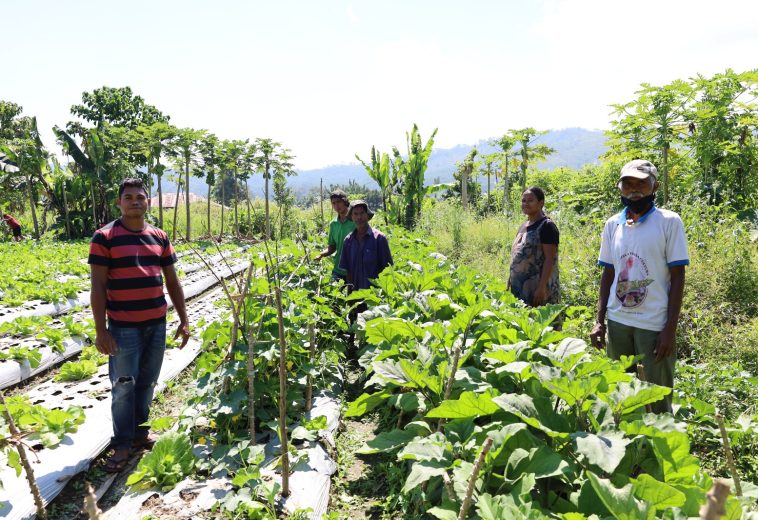
Timor-Leste is a good illustration of this. After the violence that followed the 1999 vote, Timorese people rebuilt their country brick by brick – new institutions, revived livelihoods, a democratic system shaped on their own terms. International support helped, but the drive came from inside the country, not outside it. Oxfam’s work there today reflects that same lesson: partnering with Timorese organisations on rural livelihoods, disaster preparedness, land rights, and civil society, with an emphasis on community leadership rather than outside direction. That includes helping local groups plan for climate risks, improve farming practices, and make sure women, people with disabilities and rural families actually have a say in national decisions.
This is central to the thinking behind Oxfam’s broader strategy: lasting change comes from shifting power and resources closer to the people most affected by poverty and crisis, not from managing things on their behalf. In practice, that means treating local organisations – particularly women-led and community-led groups – as leaders rather than subcontractors. It means funding that’s flexible enough for them to set their own priorities. And it means building relationships over years, not just project cycles, based on trust that runs both ways.
The case for this only gets stronger as needs grow and budgets tighten. Locally led responses tend to move faster, fit the context better, and answer the people they’re meant to serve – not just to a donor somewhere else. Solutions that communities help design tend to outlast the funding cycle that paid for them. And when the international system offers solidarity instead of control, it treats people affected by crisis as the agents of their own recovery, which is what they are.
World Humanitarian Day is a chance to remember the aid workers operating in dangerous conditions and the civilians who carry the heaviest cost of crisis – and to renew calls for safe humanitarian access and respect for humanitarian principles. Timor-Leste’s independence anniversary is a chance to celebrate the people who insisted on shaping their own future, against considerable odds. Different histories, same underlying point: humanitarian action has to be built around local leadership and real partnership, not just aid delivered from elsewhere.
Solidarity isn’t a slogan to put on a banner. It is the practical, sometimes uncomfortable choice to share power, listen before acting, and put resources in the hands of the people closest to the problem. With needs rising and resources being tight, that choice isn’t optional; it is the central humanitarian task of this moment. When communities lead, and the rest of us rally behind them instead of standing over them, hope stops being a word on a page and starts being something real.